The rise and evolution of casinos through history
- Public
- enero 25, 2026
The rise and evolution of casinos through history
Origins of Gambling and Early Casinos
The concept of gambling can be traced back to ancient civilizations, where evidence shows that various forms of games of chance were enjoyed by people. In Ancient China, around 2000 BC, keno slips were used as a way to raise funds for government projects, while in Ancient Rome, gambling was often intertwined with festivals and celebrations. These early practices laid the groundwork for the emergence of organized gambling establishments, or casinos, in the centuries that followed, making the shift to online gambling real money a natural progression for many players today.

The earliest known casino, the Ridotto, was established in Venice in 1638, providing a regulated space for gambling and entertainment. It was specifically created for the carnival season, marking a significant step in the evolution of gambling from informal gatherings to structured venues. This paved the way for the establishment of more sophisticated gaming houses across Europe, particularly during the Enlightenment era, when leisure activities began to flourish.
The Golden Age of Casinos
The 18th and 19th centuries are often referred to as the Golden Age of Casinos, particularly in Europe. This period witnessed the rise of iconic establishments such as the Casino de Monte-Carlo, which became a symbol of luxury and sophistication. The allure of these casinos attracted not only locals but also international visitors, who were drawn by the glamour and the promise of fortune.
During this time, various games, such as roulette and baccarat, became staples in casinos, solidifying their status as not just gambling hubs but also entertainment centers. The social aspect of casinos evolved, becoming a place where individuals mingled, dressed elegantly, and indulged in opulence. This transformed the perception of gambling from a vice into a prestigious pastime enjoyed by the elite.
The Shift to America and Modernization
The migration of casino culture to America marked a significant turning point in gambling history. In the early 20th century, Las Vegas emerged as the gambling capital of the world, attracting those seeking fortune and entertainment. The legalization of gambling in Nevada in 1931 was a pivotal moment, leading to the establishment of grand casinos like the Flamingo and the Sands, which became synonymous with the American Dream.
As time progressed, casinos evolved in design and technology. The introduction of slot machines in the 20th century revolutionized the gaming experience, making it more accessible to a broader audience. The shift from traditional table games to high-tech gaming experiences reflected changing consumer preferences and advancements in technology, ushering in a new era of entertainment.
The Influence of Online Gambling
The advent of the internet brought about a seismic shift in the gambling landscape, giving rise to online casinos. Starting in the mid-1990s, the online gambling industry flourished, offering players the convenience of accessing their favorite games from home. This democratization of gambling introduced a new level of accessibility and choice, appealing to millions worldwide.
Online casinos began to emulate their land-based counterparts by providing a diverse array of games and interactive experiences. The integration of live dealer games and mobile platforms further enhanced player engagement, leading to a surge in popularity. As technology continues to advance, the online gambling sector will likely keep evolving, blurring the lines between traditional and digital gaming.
Understanding the Modern Casino Landscape
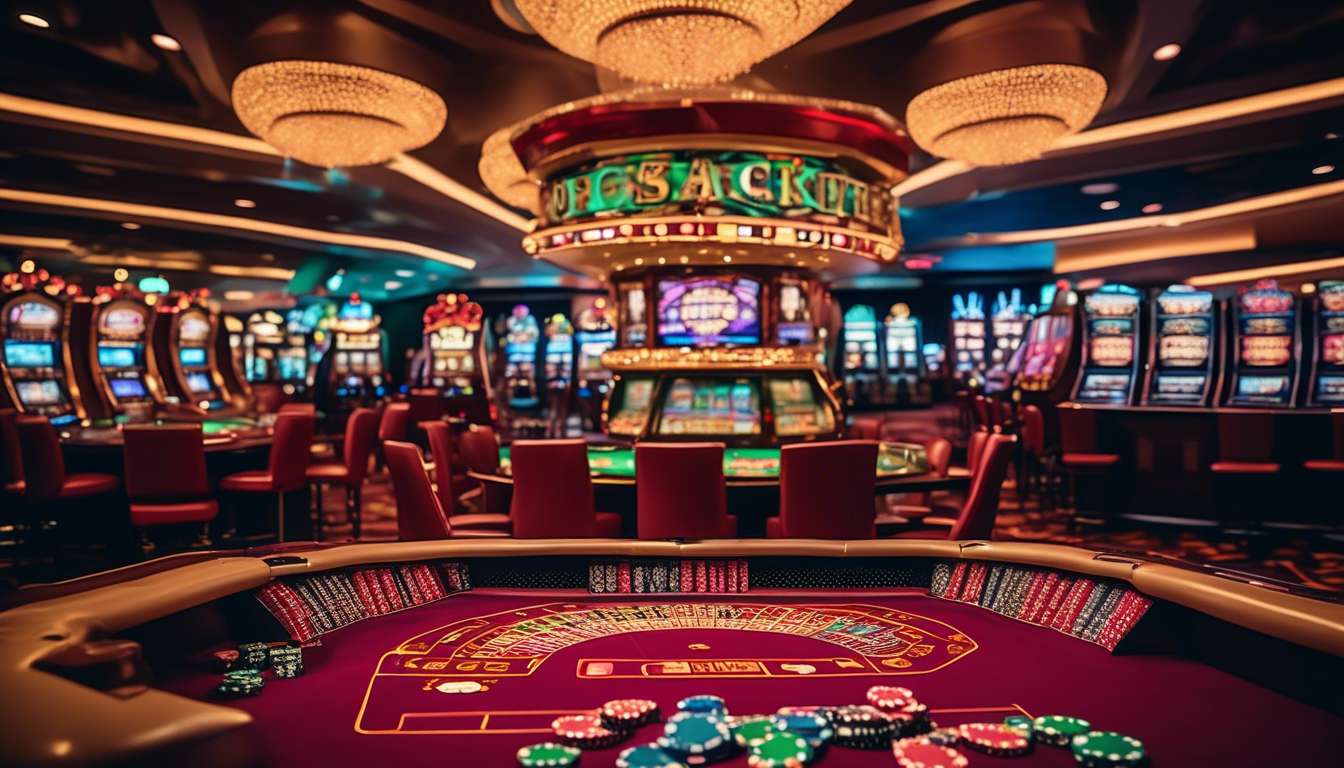
The current landscape of casinos is characterized by a blend of traditional gaming and cutting-edge technology. With the rise of mega-resorts that offer entertainment beyond gambling—such as dining, shopping, and live performances—casinos have transformed into holistic entertainment complexes. This diversification has allowed them to attract a wider audience and remain competitive.
While the online gambling sector continues to grow, physical casinos are adapting by enhancing their offerings and experiences. Security and regulations have also evolved, ensuring safer environments for gamblers. Understanding these changes is crucial for anyone interested in the modern gambling industry, whether they are players, investors, or casual observers.